The Earthscape journal
How Professional Plantings Revive a Tired Landscape
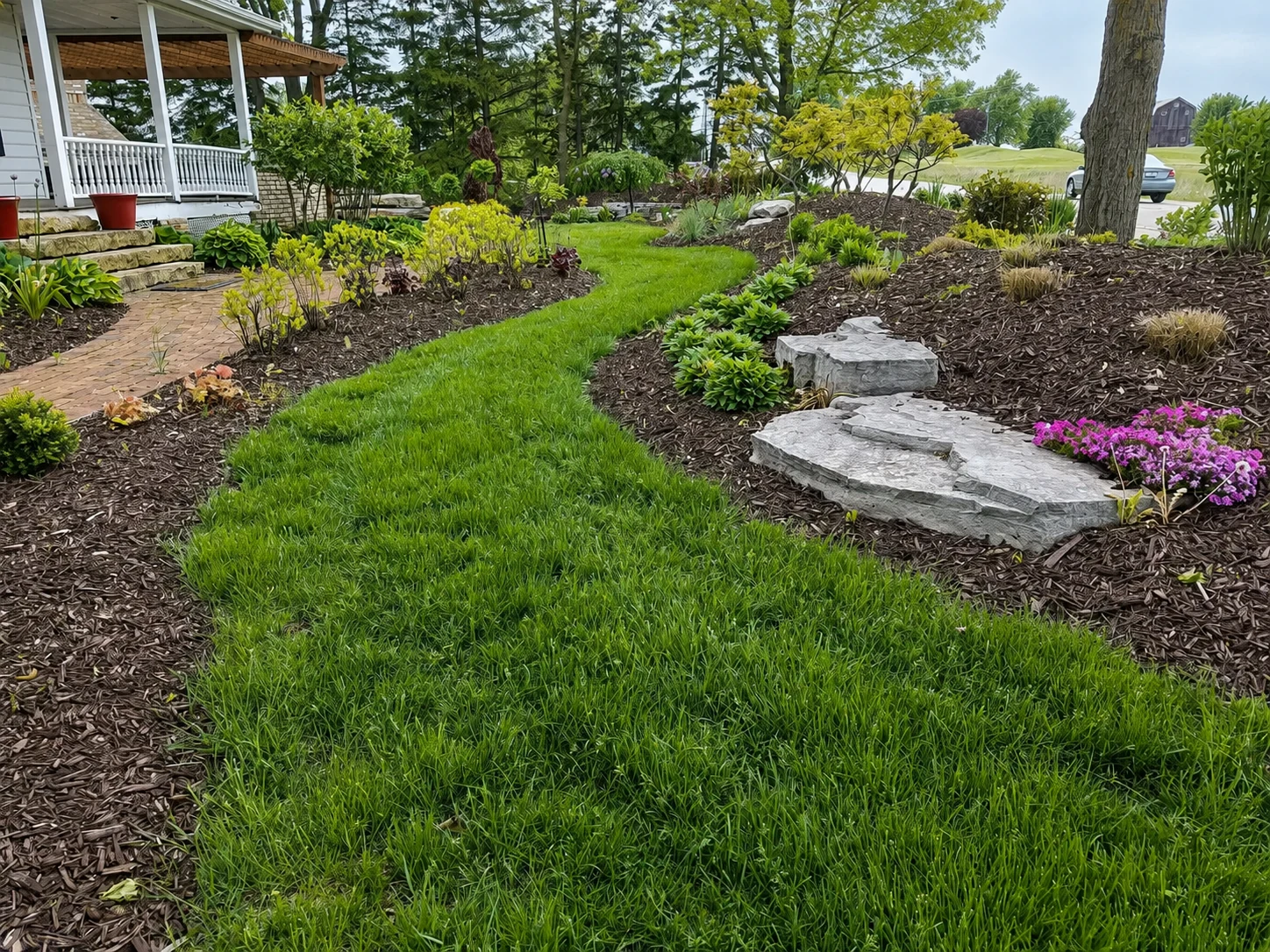
A tired landscape is often not a maintenance failure. Plants may have outgrown the space, lost lower branches, become crowded, or declined because the original location never matched their sunlight, soil, moisture, or winter exposure. Professional plantings can restore structure and color while making the property easier to maintain.
Earthscape designs and installs landscape plantings in Appleton, Neenah, and throughout the Fox Valley. The following approach creates a cleaner result than simply replacing one struggling plant at a time.

Identify What Is Actually Wrong
Begin by separating healthy plants worth keeping from material that is failing, badly located, or too large for the space. Look for drainage problems, compacted soil, buried root flares, heavy shade, winter wind, deer pressure, and plants blocking walks, windows, utilities, or lighting. Correcting the site prevents the same problem from returning.
Build the Design in Layers
Trees and larger shrubs create the long-term framework. Medium shrubs and ornamental grasses provide mass and screening. Perennials and groundcovers add seasonal color along the front. Repeating plants in groups produces a stronger composition than using many unrelated varieties.
Choose Plants for Mature Size
Plant spacing should be based on mature width, not the size of the nursery container. Correct spacing reduces constant pruning and allows each plant to develop its natural form. The plan should also preserve access to windows, meters, hose connections, walks, and future maintenance.
Create Interest Beyond Flowers
A successful Fox Valley landscape needs structure after the flowers fade. Evergreens, grasses, branching form, bark, seed heads, and carefully placed lighting provide fall and winter interest. Combining plants with different bloom periods extends color through the growing season.
Prepare the Soil and Grade Correctly
Soil preparation, planting depth, and drainage directly affect establishment. Set the root flare at or slightly above grade, loosen surrounding soil where appropriate, and avoid burying trunks or stems. Correct low areas and downspout problems before installing new plant material.
Use Mulch and Watering Wisely
A 1- to 2-inch mulch layer helps retain moisture and suppress weeds, but mulch should not be piled against trunks or stems. Newly installed plants need consistent moisture while establishing. Check the soil beneath the mulch and water deeply when needed rather than following a fixed daily schedule.
Coordinate Plantings With Hardscape and Lighting
Plantings should soften paver patios, outdoor kitchens, retaining walls, fire features, and pergolas without crowding them. Plan mature growth around seating and cooking areas. Landscape lighting can highlight specimen plants and maintain depth after dark.
Use a Realistic Maintenance Plan
Low maintenance begins with the right plant in the right place. Define who will water, prune, divide perennials, refresh mulch, and monitor weeds. Plantings should look complete at installation without being packed so tightly that they become a problem in a few years.
Plant Quality and Warranty
Earthscape sources plant material from Tillmann’s Wholesale and Bailey Nurseries in Minnesota based on quality, suitability, and availability. Plants installed by Earthscape carry a one-year warranty, subject to the project agreement and proper care, including watering.
Start With a Coordinated Plan
Earthscape provides free estimates, and design is included with the landscape projects we build. A coordinated plan helps preserve good existing plants, correct site problems, and add new material where it will provide the most value.
Ready for a planting plan with lasting structure and seasonal color? Contact Earthscape for a free estimate and included design.