The Earthscape journal
5 Signs Your Landscape Is Ready for an Upgrade
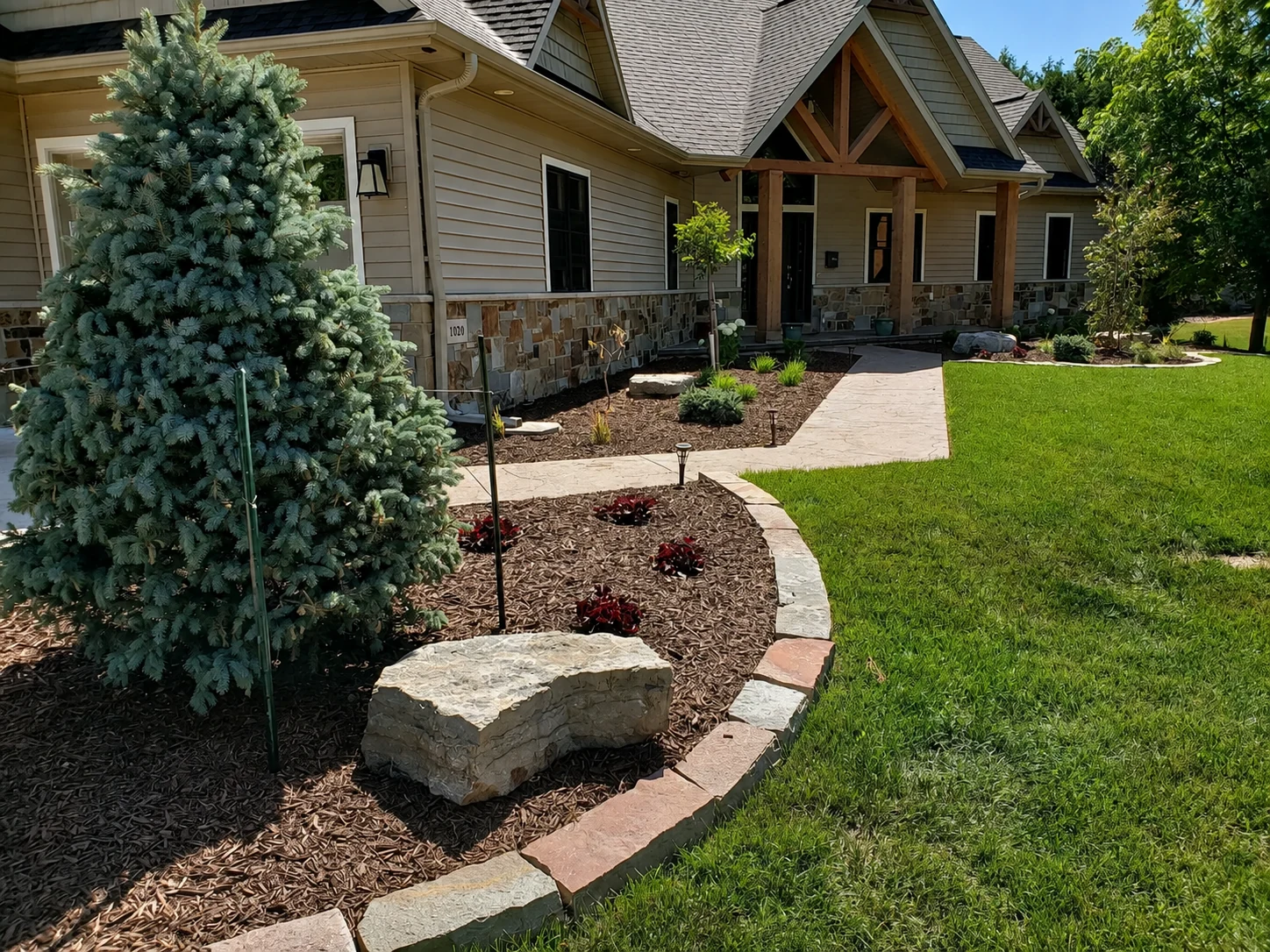
A landscape does not need to look neglected before it deserves an upgrade. Many properties still look acceptable from a distance but no longer drain correctly, fit the family’s needs, or complement improvements made to the home. Recognizing the warning signs early helps you invest in the changes that will make the biggest difference.
Here are five clear signs that a residential landscape in Appleton, Neenah, or the Fox Valley is ready for a new plan.

1. The Layout No Longer Fits How You Use the Property
A patio that cannot hold real furniture, a narrow walkway, unused lawn, or an awkward route from the house to the backyard are functional problems. The landscape should support dining, cooking, entertaining, pets, children, storage, and maintenance without forcing people through planting beds or tight corners.
An upgrade can reorganize the property into useful zones and connect them with appropriate walks, steps, walls, and lighting.
2. Water Collects, Erodes Beds, or Runs Toward the House
Standing water and erosion are more than cosmetic issues. They may point to poor elevations, compacted soil, downspout discharge, failed edging, or insufficient drainage. Adding plants without correcting the cause rarely solves the problem.
A professional plan evaluates grading, base preparation, drainage routes, retaining walls, and soil conditions before new surfaces and plantings are installed.
3. Plants Are Overgrown, Failing, or Hiding the Home
Plants that were installed too close together can crowd walks, cover windows, and require constant pruning. Other plants may decline because the sunlight, soil, moisture, or winter exposure does not fit the species. A mature landscape often needs selective removal and a new layer of appropriately sized trees, shrubs, grasses, and perennials.
The goal is not to replace every plant automatically. Healthy material in the right location can often remain and become part of the updated design.
4. The Hardscape Is Settling or the Outdoor Space Feels Dated
Uneven pavers, open joints, failed edges, leaning walls, and cracked or poorly placed surfaces should be evaluated before they become safety problems. In some cases, quality pavers can be lifted and reset. In others, an undersized patio or failing base makes reconstruction the better long-term choice.
New hardscape can also create space for an outdoor kitchen, fire feature, pergola, or a more comfortable seating arrangement.
5. The Property Has No Nighttime Function or Visual Focus
A landscape can disappear after sunset or feel unsafe when paths and steps are not visible. Low-voltage landscape lighting can improve safety, highlight architecture, add depth to plantings, and extend the usable hours of patios and outdoor kitchens.
During the day, focal points such as a specimen tree, fire feature, pavilion, wall, or coordinated planting group help organize the view and make the design feel intentional.
What a Landscape Upgrade Should Include
A successful upgrade begins with a site visit and a clear list of priorities. Existing drainage, access, utilities, grades, plant material, and hardscape are evaluated. The design then shows how new and existing elements will work together and whether the project should be completed at once or in phases.
Earthscape provides free estimates, and design is included with the landscape projects we build. Installed hardscape workmanship carries a two-year warranty, and installed plants carry a one-year warranty, subject to the project agreement and proper care.
Upgrade the Problems, Not Just the Appearance
The most valuable landscape improvements solve a real problem while improving how the property looks. Better drainage, more usable space, correctly sized plants, durable hardscape, and well-planned lighting will continue providing value long after the project is finished.
If several of these signs sound familiar, contact Earthscape for a free estimate and included design.